The math behind this playbook: most online carts are abandoned, meaning the hardest part of the sale, making someone want the product, is already done and slipping away over a moment of hesitation. Email recovery is slow and buried; a text reaches shoppers within minutes, where they actually look. Here's what to send.
Before the examples: the four rules
- Consent first. Cart recovery texts are marketing messages, they require prior express written consent under the TCPA (see our compliance guide). Capture opt-in at checkout ("Text me my order updates and offers") with proper disclosures, and include opt-out language.
- Speed beats cleverness. The first message should land while the shopper still remembers the cart, commonly within 30 to 60 minutes.
- Show, don't describe. Over RCS you can show the actual product image with a tap-to-checkout button; over SMS, name the specific item and link a pre-filled cart. Specificity converts; "you left something behind" doesn't.
- Sequence, don't spam. Two to three messages over ~48 hours, escalating from reminder to incentive. Then stop.
Message 1 of the sequence: the gentle reminder (send within 1 hour)
Example 1: Simple and specific
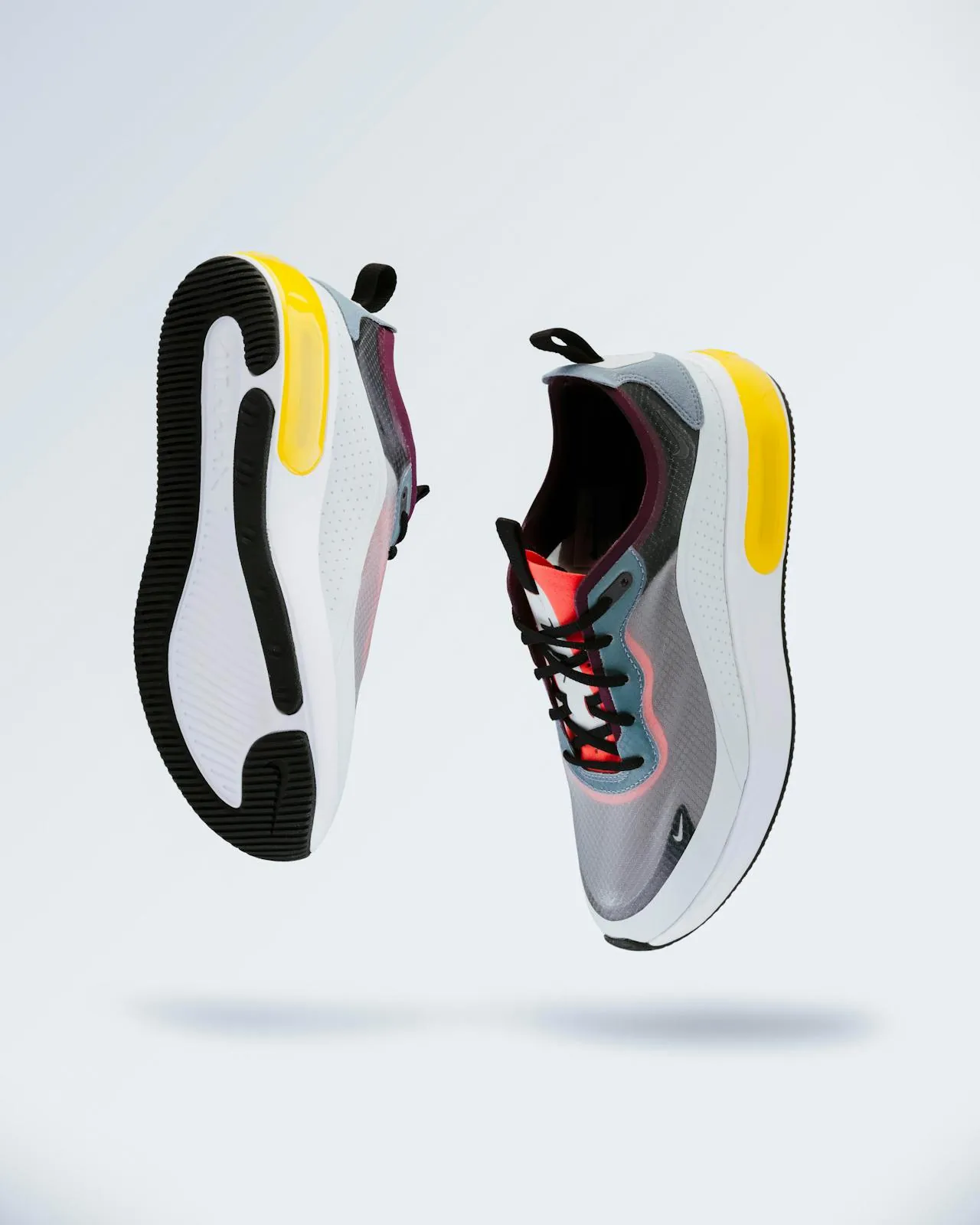
[Brand]: Still thinking it over? Your Tree Runners (size 10) are waiting in your cart. Checkout in one tap: [link] Reply STOP to opt out.
Example 2: Helpful framing
[Brand]: We saved your cart! Your Weekender Tote is set aside and checkout takes 30 seconds: [link] Questions? Just reply. STOP to opt out.
Example 3: Service angle (great for higher-ticket items)
[Brand]: Hi Sarah, noticed you were looking at the Aria Desk. Happy to answer any questions before you decide. Your cart's saved here: [link]
Why these work: they're specific (the actual item), warm rather than pushy, and the first touch carries no discount, protecting margin for shoppers who just needed the nudge.
Message 2: urgency and social proof (send at ~24 hours)
Example 4: Stock urgency (only if true)
[Brand]: Heads up, the Tree Runners in your cart are almost gone in size 10. Grab yours before they're out: [link]
Example 5: Cart expiry
[Brand]: Your saved cart expires tonight! Complete checkout to keep your items and your price: [link]
Example 6: Social proof
[Brand]: The Mizzle jacket in your cart has 4.8★ from 2,100 reviews, and it's selling fast this week. Make it yours: [link]
Why these work: legitimate urgency converts the fence-sitters the reminder didn't. The rule: only claim scarcity that's real. Fake countdowns and false "almost gone" claims destroy trust and can cross into deceptive practices.
Message 3: the incentive closer (send at ~48 hours)
Example 7: Percentage offer
[Brand]: Still want the Tree Runners? Here's 15% off to make it easy, code COMEBACK15, next 24 hours only: [link]
Example 8: Free shipping (often converts as well as a discount, cheaper for you)
[Brand]: We'll cover the shipping on the cart you left, free delivery if you check out today: [link]
Example 9: Threshold nudge
[Brand]: You're $12 from free shipping! Add a little something and your whole order ships free: [link]
Why these work: the incentive arrives last, only for shoppers the first two messages didn't convert, protecting margin from discount-training your audience. Condition offers on cart value or customer segment where your platform allows.
The RCS versions (where recovery gets unfair)
Plain SMS describes the cart; RCS shows it. A branded RCS recovery message carries your verified name and logo, the actual product image in a rich card, the price, and a one-tap Complete checkout button, no link-typing, no login hunt. RCS click-through is commonly cited at 15 to 30%, against low single digits for SMS links, and cart recovery is exactly the use case where the gap shows up as revenue.
Example 10: RCS rich-card reminder
[Store logo · ✓ Verified] Still thinking about these? 👟 [Product card: Tree Runners, Mizzle · $98 · photo] [Complete checkout] [Save for later]
Example 11: RCS carousel (cart + cross-sell)
[Store logo · ✓ Verified] Your cart, plus a few things that go with it: [Swipeable carousel: the abandoned item + matched socks + care kit, each with an Add button] [Check out now]
Example 12: RCS conversational recovery
[Store logo · ✓ Verified] Your Tree Runners are still in your cart, anything holding you back? [Is this in wide?] [When would it ship?] [Just checkout] (Each chip triggers an instant AI answer, then routes to checkout, objections handled in-thread.)
Every RCS message falls back to SMS automatically on unsupported devices, so examples 10 to 12 degrade gracefully into examples 1 to 9. See the full abandoned cart playbook, or paste your current recovery SMS into the SMS-to-RCS preview to see it as a branded card.
Timing and sequencing cheat sheet
| Touch | Timing | Job | Incentive? |
|---|---|---|---|
| Message 1 | 30 to 60 min | Specific, warm reminder | No |
| Message 2 | ~24 hours | Real urgency / social proof | No |
| Message 3 | ~48 hours | Close with an offer | Yes, conditioned on value/segment |
| Stop | After 3 | Respect the no | None |
Adjust for your category: considered purchases (furniture, high-ticket) tolerate a slower cadence and benefit from the service-angle opener; impulse categories convert on speed.
Measuring what matters
Track four numbers per sequence: recovery rate (recovered carts ÷ abandoned carts messaged), revenue recovered, tap/click-through per message, and incremental lift over your email-only baseline. Over RCS, tap-level tracking shows exactly which button converted, and because RCS campaigns fall back to SMS, every send is a built-in experiment comparing the two channels on your own data, no vendor benchmark required.
Beyond the basic sequence: segmentation and browse abandonment
Once the three-message sequence is running, two expansions materially lift recovery revenue.
Segment the sequence by cart value and customer history. A $30 cart and a $600 cart shouldn't get the same treatment. High-value carts justify the service-angle opener (a genuine "any questions?" from a human-feeling sender) and can support a richer incentive if one's needed; low-value carts get the efficient standard sequence. Similarly, split first-time browsers from repeat customers: a loyal customer abandoning is often a signal to check for a problem (shipping cost surprise, stock issue), a "did something go wrong?" message reads as care, not sales pressure. And condition your incentives: platforms that support dynamic segments let you reserve the discount for carts above a margin threshold, or exclude customers who've redeemed a recovery offer recently, which is how you stop training your audience to abandon on purpose.
Add browse abandonment, carefully. The step before cart abandonment is product-page abandonment: a shopper who viewed an item repeatedly but never carted it. A gentle, RCS-native version works, a rich card of the viewed product with a soft "still looking?" framing, but the consent and tone bars are higher: this is unambiguously marketing (written consent required), and it can read as surveillance if mishandled. Rules of thumb: only message meaningful engagement (multiple views or a saved item, not a single click), cap it at one message, never fake urgency on it, and lead with usefulness ("sizes are back in stock") over pressure.
Close the loop with a post-recovery touch. The recovered customer who just completed checkout is your warmest possible audience, a thank-you with order status expectations (flowing into your order-update sequence) converts a rescued transaction into the start of a retention relationship, which is where the real LTV lives.
Don't forget the fallback: the SMS versions matter
Because RCS falls back automatically, every rich example above needs an SMS twin that works on its own, and writing the fallback deliberately (rather than letting a card collapse into an awkward auto-summary) protects a meaningful share of your revenue. The translation rules: the product image becomes a named product ("your Tree Runners, size 10"); the tappable button becomes a short pre-filled cart link placed at the end of the message; the carousel becomes the single highest-value item (never a list, one message, one action); and the conversational chips become "just reply with any questions" routed to your inbox or bot. Keep fallbacks under 160 characters where possible so they arrive as one clean segment, and give the two versions matching tracking parameters so your analytics compare RCS and SMS performance per campaign honestly. The pattern you'll typically see, richer version converting several times better on tap-through, fallback still profitably recovering carts, is also your ongoing business case for the RCS program itself, measured on your own audience.
A worked example: the math on a real sequence
To make the ROI concrete, run the numbers on a mid-sized store: 10,000 monthly sessions, 300 abandoned carts messaged per month, $85 average cart. A conservative sequence performance, 60% of carts reached on RCS with the rest on SMS fallback, blended recovery around 8%, returns 24 carts ≈ $2,040/month recovered. Message costs at carrier rates (three touches × 300 carts, mixing rich and basic rates) run on the order of $15 to $25, a return north of 80:1 before incentive costs, and the final-message discount only applies to the fraction that needed it. Even halving every assumption leaves the sequence decisively profitable, which is why cart recovery is almost always the first automation worth wiring. Two levers move the number most: speed of the first touch (every hour of delay decays intent) and the share of your audience reachable on RCS (the richer version converts a multiple of the fallback, worth tracking in your per-channel analytics as iOS adoption keeps climbing). Run your own inputs through the ROI calculator to set expectations before launch, then let the live dashboard replace the estimate.
Frequently asked questions
What should an abandoned cart text say?
Name the specific item (ideally show it, over RCS), keep the tone warm, give one clear tap-to-checkout path, and include opt-out language. Example: "Still thinking it over? Your Tree Runners are waiting, checkout in one tap: [link]. Reply STOP to opt out." Save incentives for the final message in the sequence.
When should I send an abandoned cart text?
The first message within 30 to 60 minutes of abandonment while intent is warm; a second at ~24 hours with legitimate urgency or social proof; a final incentive message at ~48 hours. Then stop. Slower, considered purchase categories can stretch the cadence.
Do abandoned cart texts need consent?
Yes, they're marketing messages requiring prior express written consent under the TCPA, captured with proper disclosures (commonly at checkout). Include opt-out instructions, honor STOP instantly, and store the consent record. A platform that enforces opt-outs automatically removes the compliance risk from the sequence.
Should I offer a discount in cart recovery texts?
Not first. Lead with a no-incentive reminder (many shoppers just needed the nudge), escalate to real urgency, and reserve the discount or free-shipping offer for the final message, ideally conditioned on cart value or segment. Leading with discounts trains your audience to abandon on purpose.
Are RCS cart recovery messages better than SMS?
Generally, yes, RCS shows the actual product in a branded, verified card with a one-tap checkout button, and drives significantly higher click-through than plain SMS. Because RCS falls back to SMS automatically, you get the richer experience where devices support it without losing anyone. Measure the lift in your own analytics rather than relying on benchmarks.
How many recovery messages is too many?
Three over ~48 hours is the practical ceiling. Beyond that, response rates collapse and opt-outs spike, and every opt-out costs you the entire future relationship, not just this cart.